
Ask what was measured
Find out which materials and locations were checked and what inaccessible areas remain uncertain. A reading from one surface does not describe every layer or adjoining room. Request the recorded baseline and a clear explanation of limitations.
Connect equipment to the plan
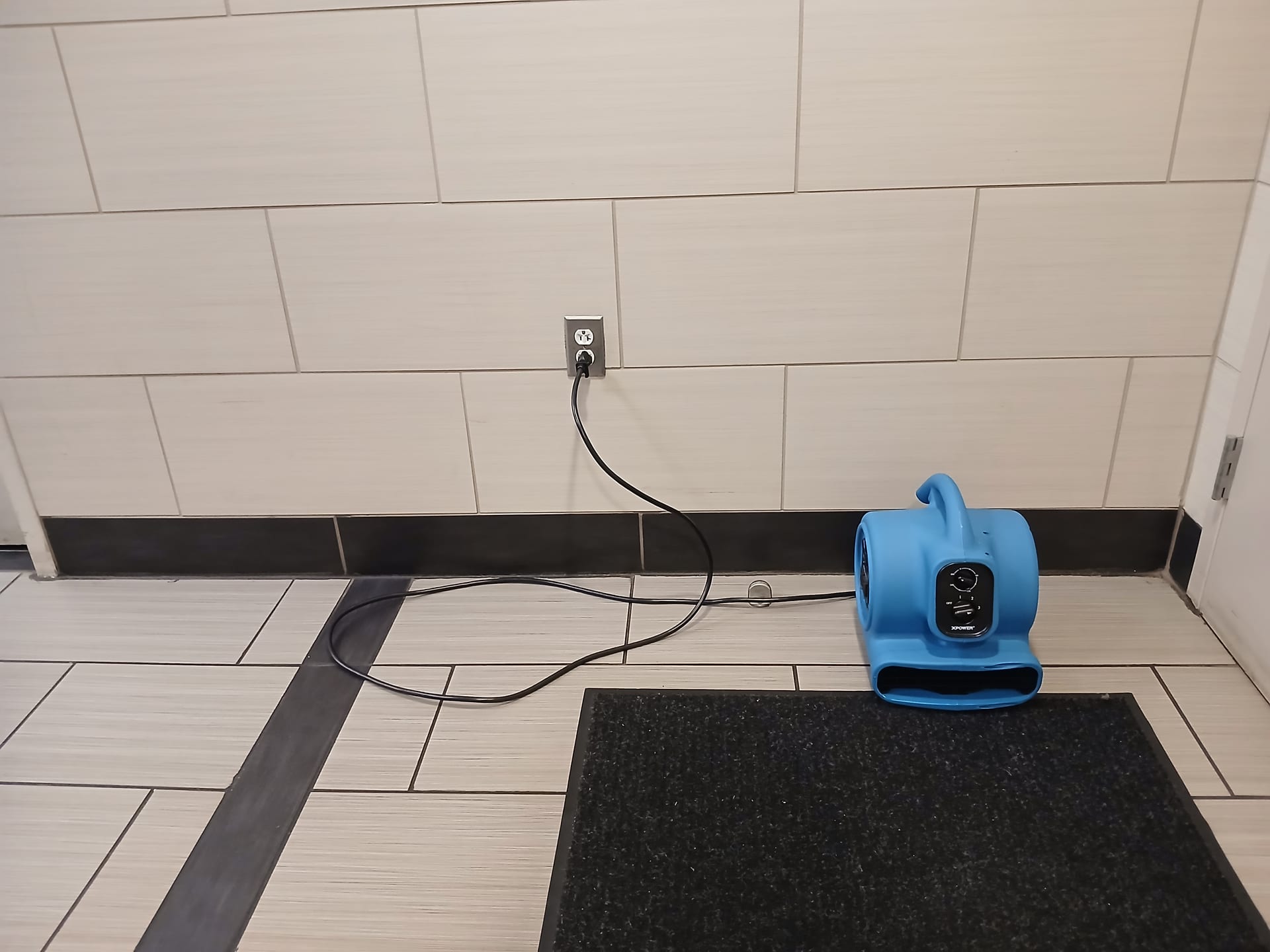
Ask why air movement or dehumidification is appropriate, where equipment belongs and how power is supplied. Follow the provider’s instructions. Opening windows, moving machines or turning equipment off without discussion can change the drying conditions.
Look for recorded progress
Ask how often readings are taken, who reviews them and which conditions trigger a change. A calendar estimate is useful for planning but does not prove completion. Compare the reading locations and methods between visits.
Close the source and the record
Confirm that the underlying leak or entry point has been addressed by the responsible business. Obtain written completion notes and remaining repairs. For recurring growth, read mold remediation scope rather than assuming drying covers every concern.
Connect the guidance to the service
Review structural drying before discussing the assessment. Confirm the business, address availability, charges and written scope directly.
Official resources
Resources support general guidance. They do not establish provider availability or endorsement.