
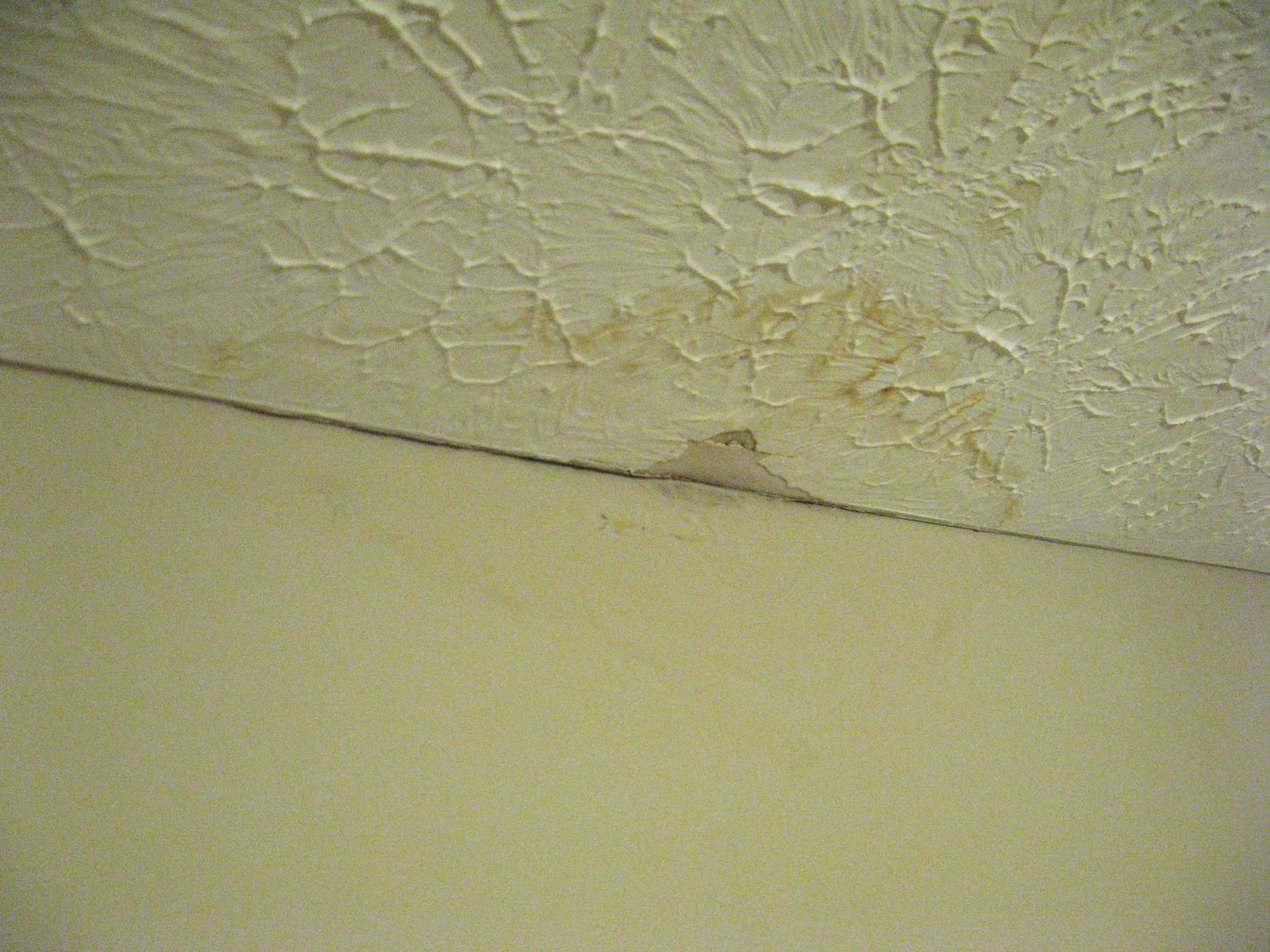
A stain is a clue, not a diagnosis
Record when a mark appeared and whether it changed after rain or fixture use. A roof, plumbing line or neighboring unit may require different investigation. Do not touch a sagging ceiling or remove materials to trace water yourself. Prepare the decision with the A wet room in a Seattle rental: turn the phone report into a written request guide.
Ask about the concealed assembly
Discuss insulation, wall cavities, cabinets and adjoining rooms. Ask what can be observed without opening finishes and what remains uncertain. Any investigative opening should have an agreed purpose and a documented restoration plan. Use the window glass and trim observation log to prepare the specific questions before an assessment.
Coordinate shared-property work
In a condominium, ask the association or manager about access, notification and shared components. Confirm who may authorize work and how neighboring units are protected. Do not assume the party arranging an assessment can authorize every repair. Use the material-review handoff before disturbance to prepare the specific questions before an assessment.
Resolve moisture before cosmetics
Painting over a stain does not establish a repaired source or dry assembly. Review moisture evidence and discuss persistent growth or odor separately before closing the work. Before reconstructing the assembly, define the Seattle repair scope and permit question separately from material readiness.
Seattle context and official guidance
For weather and street-access considerations, use the Seattle property guide. In a heavy rain situation, review what to record about outdoor water entry.
Official resources
Resources support general guidance. They do not establish provider availability or endorsement.